Houses or units… what is the better investment? A 2025 Australian market view
Australian property investors keep circling the same question: houses or units? The answer in 2025 isn’t a simple “one beats the other.” It depends on what you want the investment to do (growth, income, lifestyle flexibility), where you buy, and how affordability constraints are reshaping demand.
Below is a market-grounded comparison, using current Australian data and trends, plus a practical checklist for investors.
The market backdrop: why this debate matters more in 2025
Two forces are colliding in today’s market:
- A renewed growth cycle. National dwelling values have re-accelerated through 2025. Cotality’s Home Value Index shows values rising at their fastest monthly pace in more than two years, with annual growth lifting again after rate cuts earlier in the year. library.westpaciq.com.au
- Affordability stress at record levels. The typical household now needs around 45% of pre-tax income to service a new mortgage nationally, and far more in Sydney (roughly two-thirds of income for houses). As one researcher put it, affordability has moved from “tight” to “punishing.” The Guardian
This matters because affordability doesn’t just affect buyers; it shapes future demand, and future demand is what drives your capital growth.
Houses vs units: the structural difference
The classic logic still holds:
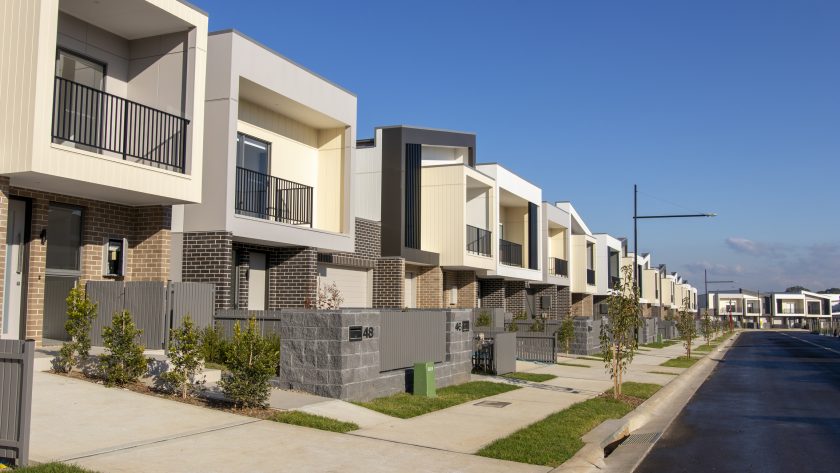
- Houses = you own more land, and land is the scarce asset. That scarcity tends to amplify long-run capital growth. Home Loan Experts
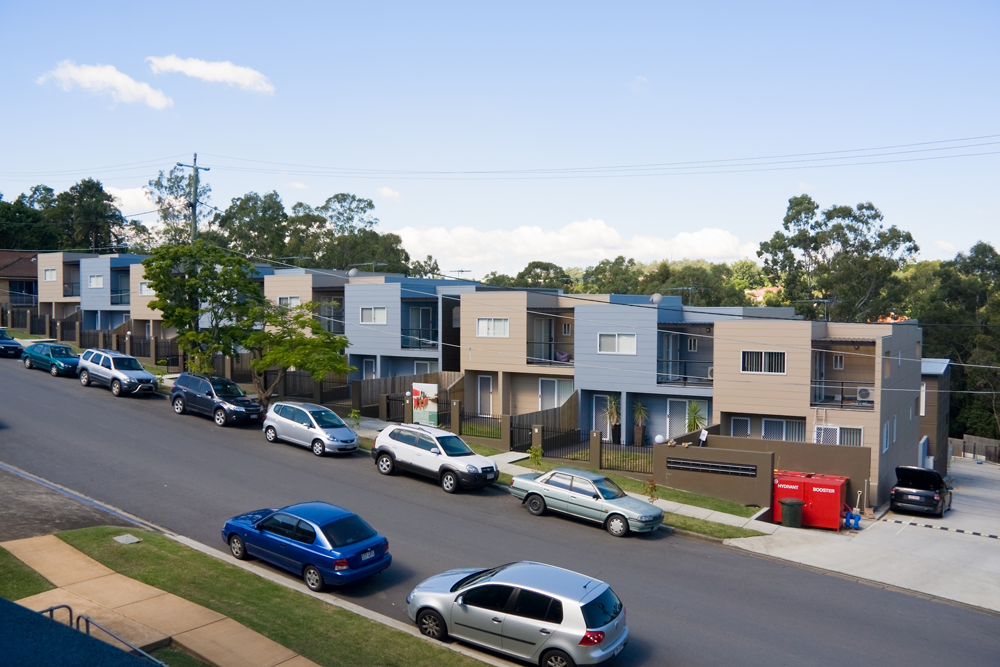
- Units = you buy less land, but you often get a better-located asset for less money, and rental yields can be stronger. Home Loan Experts
But the 2025 twist is that affordability and location pressures are narrowing the performance gap in some markets—while widening it in others.
Capital growth: houses still lead overall, but the gap is uneven
Across decades, detached houses have generally outperformed units because land values rise faster than building values. Multiple Australian studies show houses delivering a higher long-term annual growth rate than units. Sound Property
However, the story is changing in specific pockets:
- In some inner-city and lifestyle-adjacent areas, unit scarcity (limited new supply, high owner-occupier demand, short-stay conversion, or downsizer demand) is lifting unit growth faster than the market expects. moove.com.au
- In contrast, oversupplied unit corridors—especially where high-rise construction can ramp up quickly—still show weaker growth. Research houses remain the stronger play in these regions. realestate.com.au
Takeaway: Houses win the national, long-run capital-growth contest. But investment-grade units in supply-constrained locations can perform like houses, sometimes better for a cycle.
Affordability and entry price: units are the pressure-release valve
The house-unit affordability gap is now a defining feature of the market.
- Domain’s latest first-home buyer research shows buyers can typically reach a unit deposit around 20 months sooner than a house deposit, with an even larger gap in Sydney and Canberra. ABC
- Entry-priced houses consumes a far higher share of income than entry-priced units. Property Update
In plain terms, units are becoming the “affordability fallback” for buyers and renters who still want strong locations—near jobs, transport, universities, and lifestyle hubs.
That demand dynamic can be a tailwind for well-located units, especially as population growth remains concentrated in major capitals and key regional cities. CBRE Australia
Takeaway: If the nation keeps getting squeezed on affordability, units will keep catching marginal demand—and marginal demand drives prices.
Location: not “house vs unit,” but “where and what”
Location matters more than dwelling type. The market is telling us that scarcity + amenity wins.
- Cotality data shows growth broad-based, but strongest in mid-sized capitals and selected regional markets where supply is tight. Global Property Guide
- Scarcity premiums are growing in lifestyle areas (coastal and water-adjacent suburbs are a visible example). Investors are chasing limited land and strong income demographics. The Australian
A good rule: buy where people with options want to live, and where new supply is naturally constrained (zoning limits, geography, heritage controls, built-out suburbs).
Takeaway: A strong unit in a blue-chip or supply-limited location can beat a weak house in a fringe, high-supply area.
Rental yields and vacancy: units often win the cash-flow race
Rental conditions remain tight nationally:
- National vacancy rates sit around 1.2%, well below “balanced market” territory, keeping upward pressure on rents. SQM Research+2Property Update
- Capital-city rents are still rising, and unit rents have been outpacing house rents in several cities. The Guardian
Why that matters for the house-unit debate:
- Units often deliver higher gross yields, because the purchase price is lower but rents (especially in inner-ring areas) remain robust. Home Loan Experts
- Houses can still yield well in certain regional and outer-metro areas, but they’re more sensitive to maintenance, vacancy swings, and tenant turnover. Property Update
One property economist recently summed up the investor mood as: “It’s still a landlord’s market—just don’t mistake that for every property being a good investment.” The Guardian
Takeaway: If your priority is income or serviceability, units (done right) often provide the smoother ride.
Risk and policy: leverage is under scrutiny
A newer factor investors should watch is credit policy.
APRA has announced limits on very high debt-to-income lending from February 2026. That’s aimed at cooling riskier borrowing as prices rise again. Reuters
When lending standards tighten, higher-priced assets tend to feel it first. That can:
- slow premium house markets, and
- support demand for comparatively affordable unit stock.
Takeaway: The more stretched affordability becomes, the more the market and regulators push demand toward the “affordable end”—often units.
So… which is better?
Here’s the most honest answer:
When houses are usually better
- You’re investing for long-term capital growth.
- The suburb is land-scarce and supply-constrained.
- You can afford a quality location without over-leveraging.
- You want to value-add via renovation or subdivision.
When units are usually better
- You’re prioritising cash flow and entry affordability.
- You want inner-ring location that a house budget can’t reach.
- The unit market is not oversupplied and has strong owner-occupier appeal.
- You’re targeting demographic demand such as downsizers, professionals, students, or key-worker renters.
Think of it this way: houses are the growth engine; units are the affordability and yield lever. In 2025, both can win—if you buy the right asset in the right place.
What to look for when making an investment (house or unit)
Here’s a practical, type-agnostic checklist:
- Owner-occupier appeal
- The biggest capital-growth driver is “people buying with emotion.”
- Look for walkability, transport, schools, lifestyle strips, and a pleasant streetscape.
- Supply discipline
- For houses: check zoning, vacant land, and likely infill.
- For units: research the pipeline—if cranes can keep going for years, growth is capped. CBRE Australia
- Scarcity within the suburb
- “Unique or limited stock” beats “generic and repeatable stock.”
- Example: boutique blocks, character walk-ups, or units with irreplaceable views.
- Land-to-asset ratio (especially for units)
- Smaller blocks with fewer units mean more underlying land per apartment.
- Strata and building fundamentals
- Review strata minutes, sinking fund health, and defect history.
- Avoid buildings with ongoing litigation or chronic maintenance shocks.
- Rental resilience
- Vacancy rates, local employment mix, and renter demographics matter. Tight markets protect yields. SQM Research
- Affordability headroom
- If buyers in that location are already at borrowing limits, future growth can stall.
- You want suburbs where the next wave of buyers can still enter.
- A clear exit strategy
- Ask: Who will buy this from me in 10 years, and why?
- If the answer is fuzzy, keep shopping.
Final word
The Australian market in late-2025 is doing two things at once: rising again, and pushing buyers toward value. That means detached houses remain the long-run growth champion, but well-located, supply-constrained units are increasingly relevant as affordability bites.
Or, to borrow a phrase many buyers feel in their bones: “You don’t buy the property type; you buy the future demand story.” The better investment is the one whose demand story still makes sense when today’s affordability pressures become tomorrow’s normal.
For further insights on property investment, avoiding common pitfalls and staying informed about market conditions. reach out to John Tsoulos or Frank Pennisi at IFP Advisory on (08) 8423 6176. Your investment success depends on making informed, strategic decisions.
IFP Advisory is an Accredited ASPIRE Property Advisor Network advisor and all professionals are Qualified Property Investment Advisors (QPIA). Property investing is about purchasing a property that aligns with your goals and investment strategy. You should never be sold an investment. Know your numbers! If you invest wisely and strategically, the Australian residential property market can be a rewarding venture.